
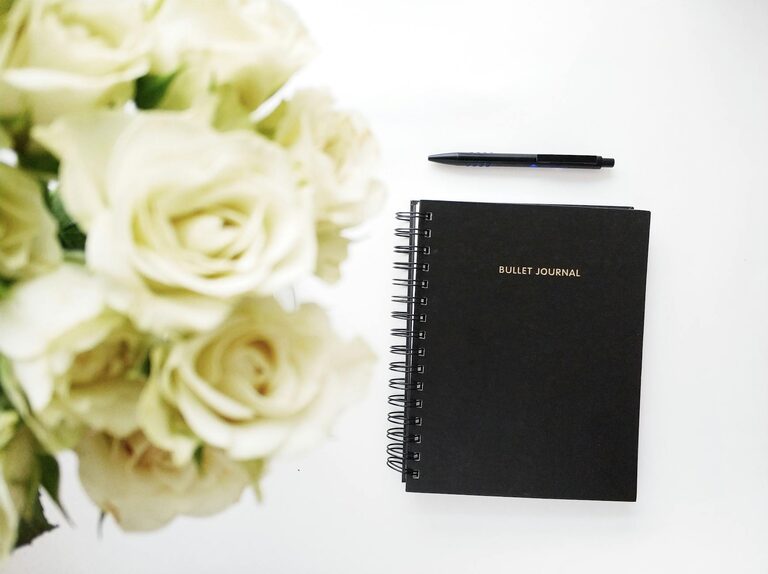
Bullet journaling has become a popular way to organize tasks, events, and ideas in a creative and highly personalized way. Whether you’re someone who loves lists or just looking for a flexible planner, bullet journaling can help you manage your day-to-day life with clarity and style. This beginner guide will walk you through the basics of bullet journaling, what you need to get started, and tips to make it your own.
What Is Bullet Journaling?
Bullet journaling is a method of note-taking and planning created by Ryder Carroll. It blends traditional journaling, to-do lists, and calendars into a customizable system that can adapt to your needs. The core idea is to use bullet points (hence the name) to organize information quickly and efficiently.
Unlike digital apps, bullet journaling gives you the freedom to design your planner the way you want it – you’re not stuck with a fixed layout. This makes it a creative outlet as well as a practical productivity tool.
What You Need to Get Started
Starting a bullet journal is simple, and you don’t need much to begin:
– A notebook: You can start with any notebook, but many prefer dotted or grid notebooks because they help keep layouts neat and evenly spaced.
– Pens or pencils: Choose pens that feel comfortable. Many people like fine liners or gel pens, but a simple ballpoint works too.
– Ruler (optional): A ruler can help draw straight lines and tidy sections.
– Colored markers or highlighters (optional): These add a pop of color and make your journal visually appealing.
Remember, the most important thing is to start. Your bullet journal will evolve as you use it.
Basic Components of a Bullet Journal
The bullet journaling system revolves around several key parts:
1. Index
The index is like a table of contents. It helps you quickly find pages or sections in your journal. Whenever you create a new page or spread, note the page number and a title in your index.
2. Future Log
This section is for planning out events or tasks that are coming in the future months. It gives you a big picture overview of what’s ahead.
3. Monthly Log
The monthly log breaks down the current month with dates and important events, appointments, and deadlines. Typically, the left page lists dates and days; the right page is for monthly goals or tasks.
4. Daily Log
The daily log is where you write your to-do lists, events, notes, and reminders day by day. This is the heart of your bullet journal.
5. Collections
Collections are customized lists or pages like habit trackers, book lists, meal plans, or project tracking. These help you organize specific areas of your life.
How to Use Bullet Points
Bullet journaling uses simple symbols to categorize items and tasks. You can stick to these basic bullets or modify them to your liking.
– Tasks: Represented with a dot (•)
– Events: Circle (O)
– Notes: Dash (–)
When a task is completed, you can “X” it out. If you need to move it forward, use a greater than symbol (>).
Example:
– • Call the bank
– O Dentist appointment at 3 PM
– – Reminder: Buy groceries
– X Task completed
– > Task migrated to tomorrow
This simple shorthand helps you track and manage your items quickly.
Tips to Customize Your Bullet Journal
Bullet journaling shines because of its flexibility. Here are some ways to make your journal work for you:
– Add a key: Create a page that explains your symbols and colors. This helps keep your system consistent.
– Incorporate doodles and art: If you enjoy drawing, add creative touches to decorate pages.
– Use washi tape and stickers: These add color and fun without much effort.
– Try different layouts: Experiment with weekly spreads, habit trackers, mood logs, or goal-setting pages.
– Keep it simple: Don’t feel pressure to be perfect. Start with basic layouts and grow your style naturally.
Benefits of Bullet Journaling
– Improved organization: Keep all your tasks, notes, and plans in one place.
– Increased productivity: Clear daily goals and to-do lists help you stay focused.
– Creative expression: Personalize your journal to match your style and preferences.
– Mindfulness: Writing by hand can help you slow down and reflect.
– Flexibility: Adapt the system to suit your life’s changing needs.
Getting Started: Simple First Steps
- **Choose your notebook and pen.** No need for fancy materials at first.
- **Create your index and number your pages.**
- **Set up your future log for the next 3-6 months.**
- **Make your monthly log for the current month.**
- **Start your daily log: write down today’s tasks, notes, and events.**
- **Review and migrate unfinished tasks daily or weekly.**
Remember that your bullet journal is a personal system. It will take some practice to find what layouts and methods suit you best. Be patient, and don’t be afraid to make changes.
Final Thoughts
Bullet journaling is a powerful and adaptable tool for organizing your life. It helps combine planning, note-taking, and creativity in one place. Starting simply and gradually customizing your journal will keep the practice enjoyable and sustainable.
Whether you want to track habits, plan your week, or jot down ideas, bullet journaling offers a unique way to stay on top of things and express yourself. Grab your notebook today and start capturing your life, one bullet point at a time!